If you're a start-up or a small business, getting software built usually means choosing between a few uncomfortable options. Hire a developer, and you're committing to a salary before you know how much work there really is. Hire an agency, and you're often paying for layers of people you never speak to. Hire a freelancer by the day, and you're managing someone's time instead of getting on with running your business.
For the last few years, most of my work has been done a different way: as a monthly subscription. It's how I worked with Pelly, from an idea to a platform used by professional clubs across Europe, and with Algorithmica on a range of projects. It suits small businesses and start-ups far better than most people expect.
How it works
The idea is simple. Instead of hiring someone or agreeing a large fixed contract, you subscribe to ongoing development each month:
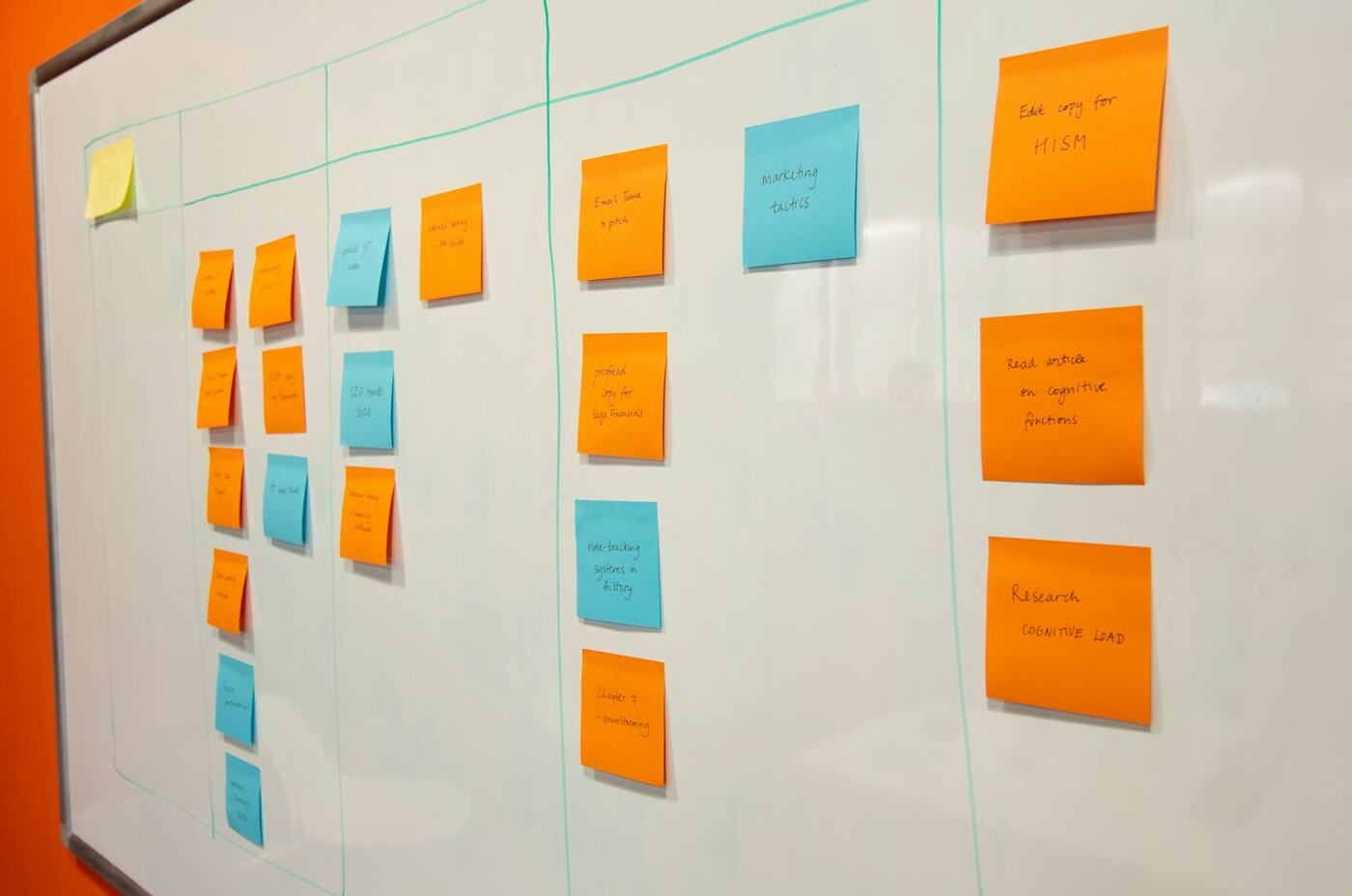
- You send work as it comes up: features, fixes, integrations, improvements. I work through it one task at a time, in the order that matters most to you.
- You can pause or cancel at any time: quiet month, or waiting on feedback from customers? Pause, and pick up again when you're ready.
- You deal with one experienced engineer: no account managers or junior hand-offs. You talk directly to the person building your software.
Why it suits start-ups and small businesses
- It costs a fraction of a hire: a full-time senior developer costs well over £65,000 a year before benefits, and you're paying for them whether there's enough work or not. A subscription costs less, and you only keep paying while it's useful.
- It takes the risk out of committing: for a young company, being able to stop at any time matters. That was exactly why Pelly chose to work this way while they were finding their feet.
- It's a service, not a contract: a simple service agreement is easier to put in place than a formal contract, and many businesses find it clearer from an IR35 point of view too. That was what mattered most to Algorithmica.
- You get experience you couldn't otherwise afford: senior judgement on architecture, technology choices, and what to build next, without needing a senior hire.
- You stay focused on the business: you decide what matters; I take care of getting it built properly.
Why the smallest plan goes further now
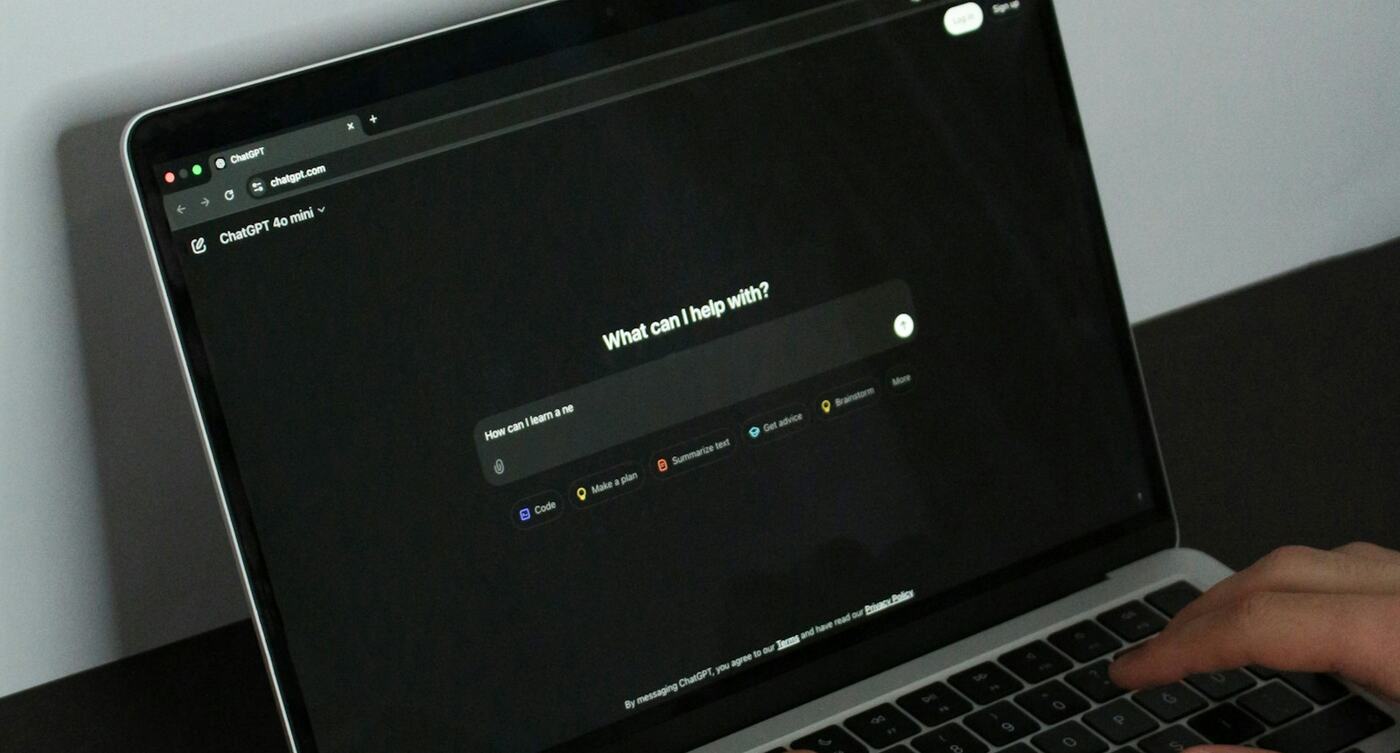
This is the part that has changed most in the last couple of years. AI tools have made routine development dramatically faster: the boilerplate, the tests, the admin screens, the first draft of a feature. In the hands of an experienced engineer, that time saved goes straight into the work that actually matters.
The practical result is simple: even the smallest subscription now gets a lot more done than it used to. For a start-up with a modest budget, that can be the difference between a product that's always "nearly ready" and one that's in front of customers.
What doesn't change is the judgement. Someone still has to decide what to build, keep the system healthy, and make sure the software you're paying for will still be easy to change in two years' time. That's what you're really subscribing to.
When it isn't the right fit
A subscription isn't the answer to everything, and it's worth being honest about where it works best:
- Well-defined pieces of work suit it best: features, integrations, fixes, performance and security work. If your idea is still fuzzy, a short planning session first will save you money.
- It's asynchronous by design: email or Slack works well; a day full of meetings doesn't.
- Large, fixed-scope builds may suit a fixed price better: if you know exactly what you need and want a single agreed cost, a fixed-price project can be the simpler choice.
Getting started
If you're a start-up or small business with software that needs building, improving, or looking after, a subscription is often the lowest-risk way to start. You can find out more about how it works on Devcinch, or get in touch and I'll tell you honestly whether it's the right fit, or whether something else would serve you better.