For most of the history of software, the bottleneck was writing code. Good developers were scarce, every feature took real time to build, and a lot of the value of an experienced engineer was simply that they could produce working code faster and more reliably than anyone else.
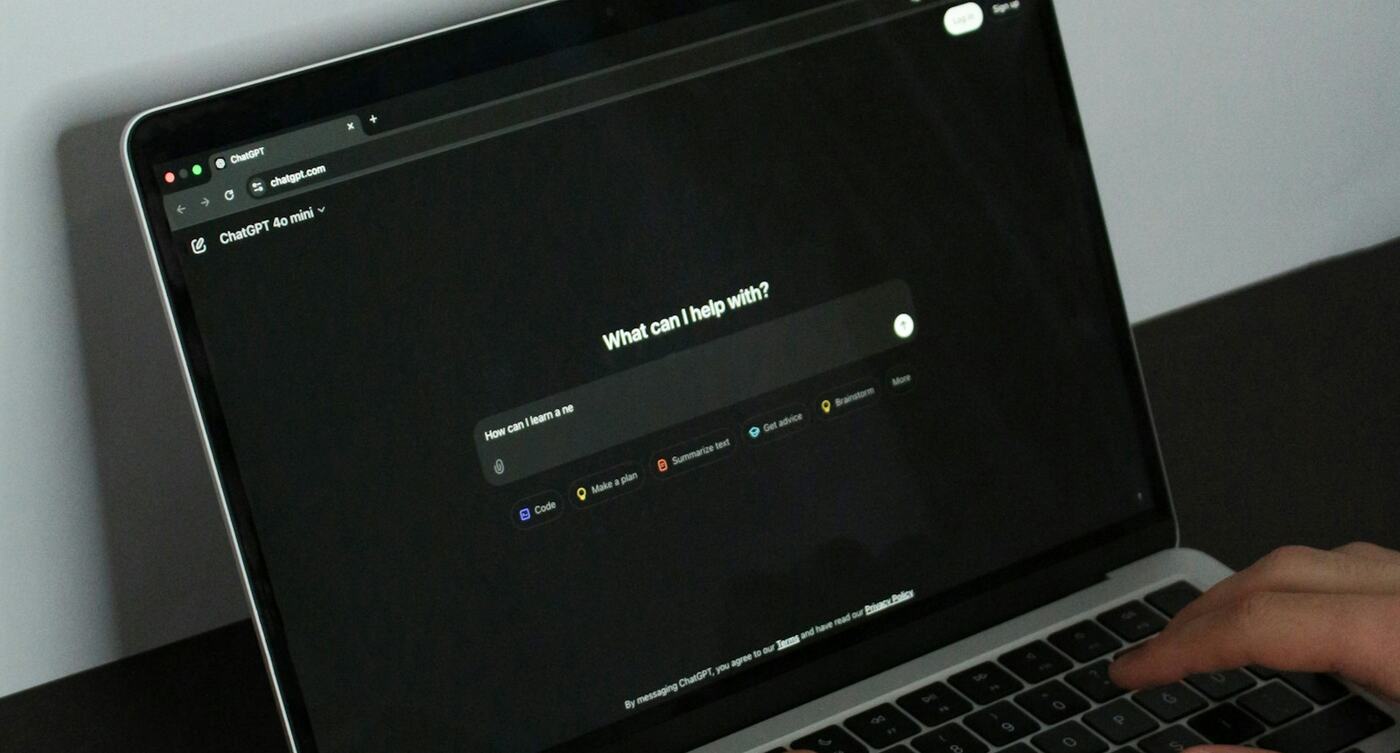
AI tools are changing that. Code is getting cheap. A competent engineer with good tools can produce in hours what used to take days, and that's only going to accelerate.
So where does the value go?
Code was never really the hard part
The projects I've seen succeed, and the ones I've seen struggle, have rarely been decided by how quickly someone could write a function. They've been decided by questions like:
- What is this system actually for, and who depends on it?
- Where does the data come from, where does it go, and what happens when it's wrong?
- Which parts can change safely, and in what order?
- What will this decision cost us in two years' time?
These are questions about the whole system: the software, the data, the integrations, and the people and processes wrapped around them. Answering them well is what separates a platform that serves a business for a decade from one that becomes its biggest risk.
Why this matters more now
When code was expensive, the cost of building the wrong thing was partly hidden by how long it took to build anything at all. Now that code is cheap, it's possible to build the wrong thing very quickly, and with a great deal of confidence. AI will happily generate a feature, an integration, or an entire application. It won't tell you that the feature shouldn't exist, that the integration will corrupt your stock levels, or that the application can't be changed safely once real customers depend on it.
That judgement is the job now. The engineers who thrive will be the ones who can hold a whole system in their heads, understand the business it serves, and decide what to build, what to change, and what to leave alone, then use every tool available, AI included, to deliver it.
What this looks like in practice
Some of the most valuable work I've done hasn't been building something new, but replacing large, fragile systems that businesses depended on, without stopping the business while it happened. That kind of work is almost entirely systems thinking: understanding how everything fits together before changing any of it.
It's also why I'm optimistic. For businesses, cheaper code means more can be built on a modest budget. For engineers, it means the work is shifting towards the parts that were always the most interesting: understanding problems, and designing systems that last.
If you're facing a system that's become hard to change, or an idea you're not sure how to approach, I'd be happy to talk it through.